Center for Peace & Conflict Studies
Center for Peace & Conflict Studies
Our Mission (Draft): The Center for Peace & Conflict Studies at ACC is dedicated to advancing the understanding of peace, justice, and conflict within both the college and Austin communities. The Center’s programming offers intra- and interpersonal skill building and creates opportunities to have conversations across conflict lines that impact our community, empowering individuals to incorporate a peace and conflict studies lens in their personal, academic, and professional lives.
Our Vision (Draft): The Center for Peace & Conflict Studies will empower the College and local community to prevent, deescalate, and transform conflicts and to build more empathetic and peaceful intrapersonal, interpersonal, and intergroup relationships using a peace and conflict studies lens.
What We Do
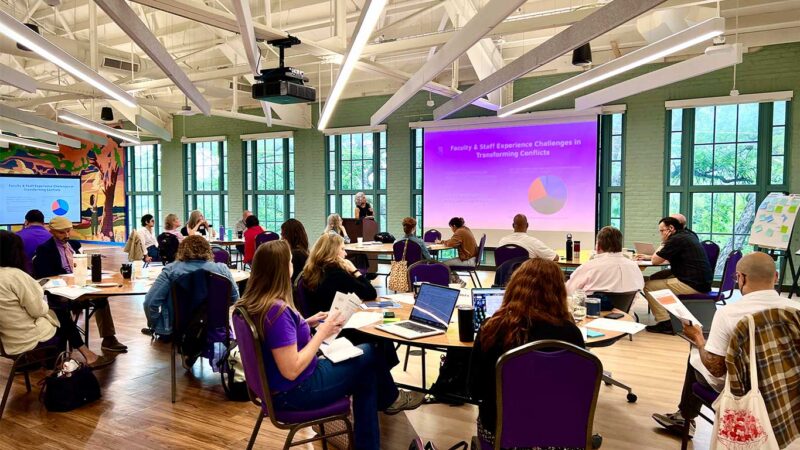
Through avenues of academic study, professional development training, community events, service learning, and travel abroad opportunities, the Peace & Conflict Center maintains its commitment to establishing frameworks for nonviolent conflict transformation at the intrapersonal, interpersonal, local, national, and international levels.


Center Events
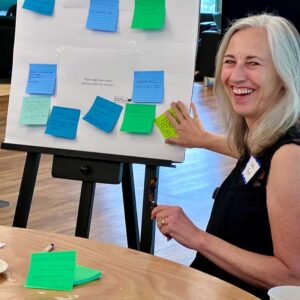
The Center for Peace & Conflict Studies provides opportunities for active engagement in the community through ongoing events, service learning, and international programs. The Center features lectures, panel discussions, a film series, and cultural events that allow students, faculty and staff, and the broader Austin community the opportunity to engage with topics pertaining to social justice, conflict, and sustainable peace.
“It was just an Accident” Screening & Discussion
Friday, October 2
11:30 a.m. – 2:30 p.m.
Highland Screening Room (HLC 2.1239)
Learn more about the making of the film and Iran’s sociopolitical culture, and engage in conversations with our panelists: ACC Radio-Television-Film professor and department chair, Dr. Mark Cunningham; ACC Psychology professor and director of the Peace & Conflict Studies Center, Dr. Shirin Khosropour, and UT-Austin professor of Middle Eastern Studies, Dr. Babak Tabarraee.